G20 MACS 2025
Communicating Agricultural Science on an International Stage
Agricultural Research Council · Department of Agriculture
Project overview
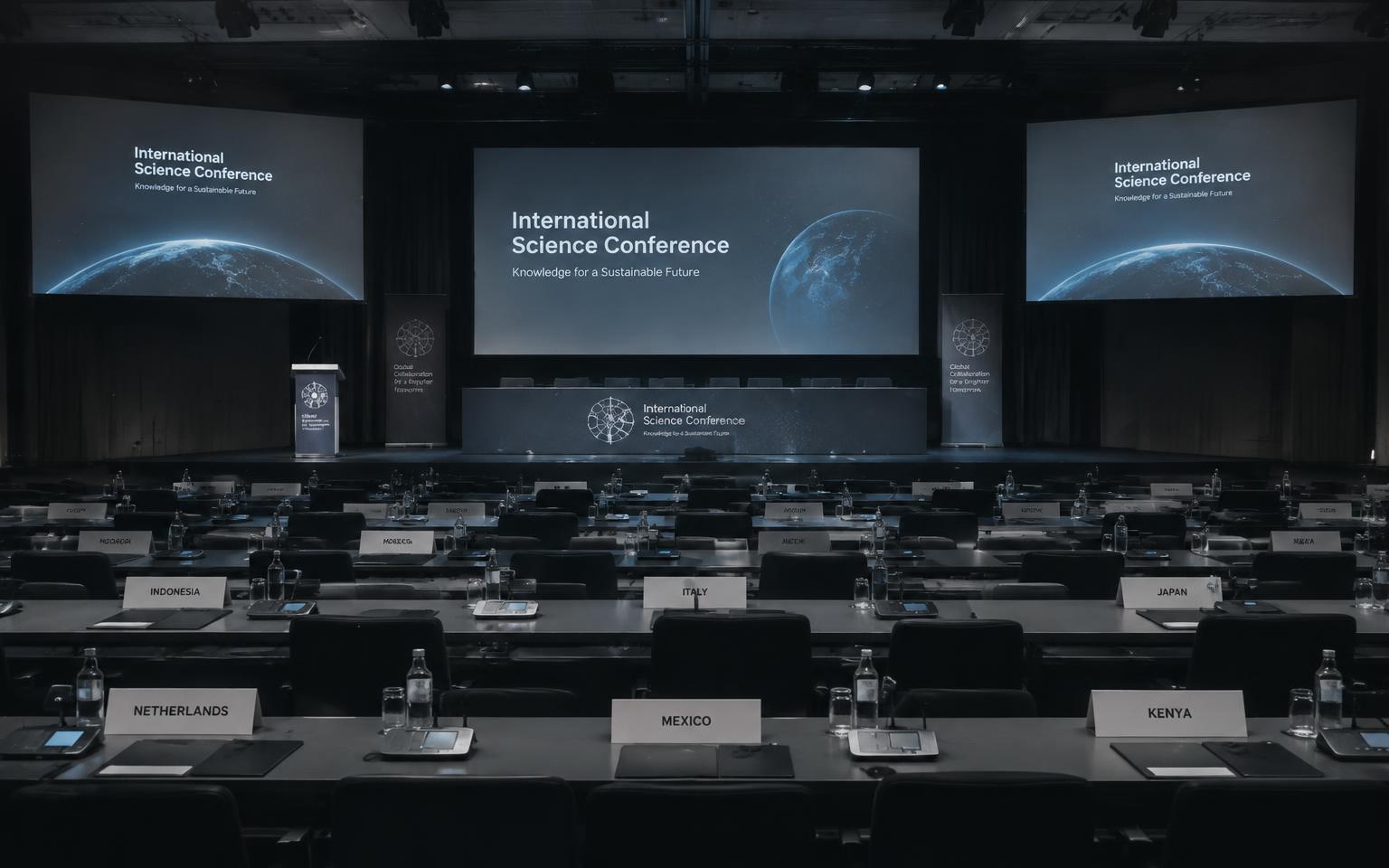
South Africa hosted the 14th Meeting of Agricultural Chief Scientists (MACS) of G20 states from 26–28 May 2025 in Polokwane, Limpopo, under South Africa’s G20 Presidency. The meeting was hosted by the Agricultural Research Council and the Department of Agriculture.
Context and challenge
The engagement brought together agricultural science leadership from G20 member states around research collaboration, innovation, food security and sustainable food systems.
Communicating a multi-institution international scientific meeting demanded consistency of brand, message and protocol across national, provincial and international partners.
Strategic approach
Treat communications, branding and event delivery as a single integrated programme rather than separate workstreams.
Align messaging and visual identity across participating institutions so the meeting presented one coherent national voice.
Joy’s scope of responsibility
- Led the ARC team.
- Strategic communications and media liaison.
- Event branding and brand consistency.
- Marketing and promotional coordination.
- Event management.
- Stakeholder coordination, including with the national Department of Agriculture, National Treasury and provincial departments.
- Alignment of communications across participating institutions.
Execution and stakeholder coordination
Coordinated with the Department of Agriculture, National Treasury and provincial departments.
The meeting itself was a joint undertaking of the host institutions, the G20 MACS delegations and the technical and scientific teams involved.
Outcomes and significance
Positioned South African agricultural research within an international scientific forum during the country’s G20 Presidency.
Next case study
02 — Inaugural ARC–DALRRD Conference →